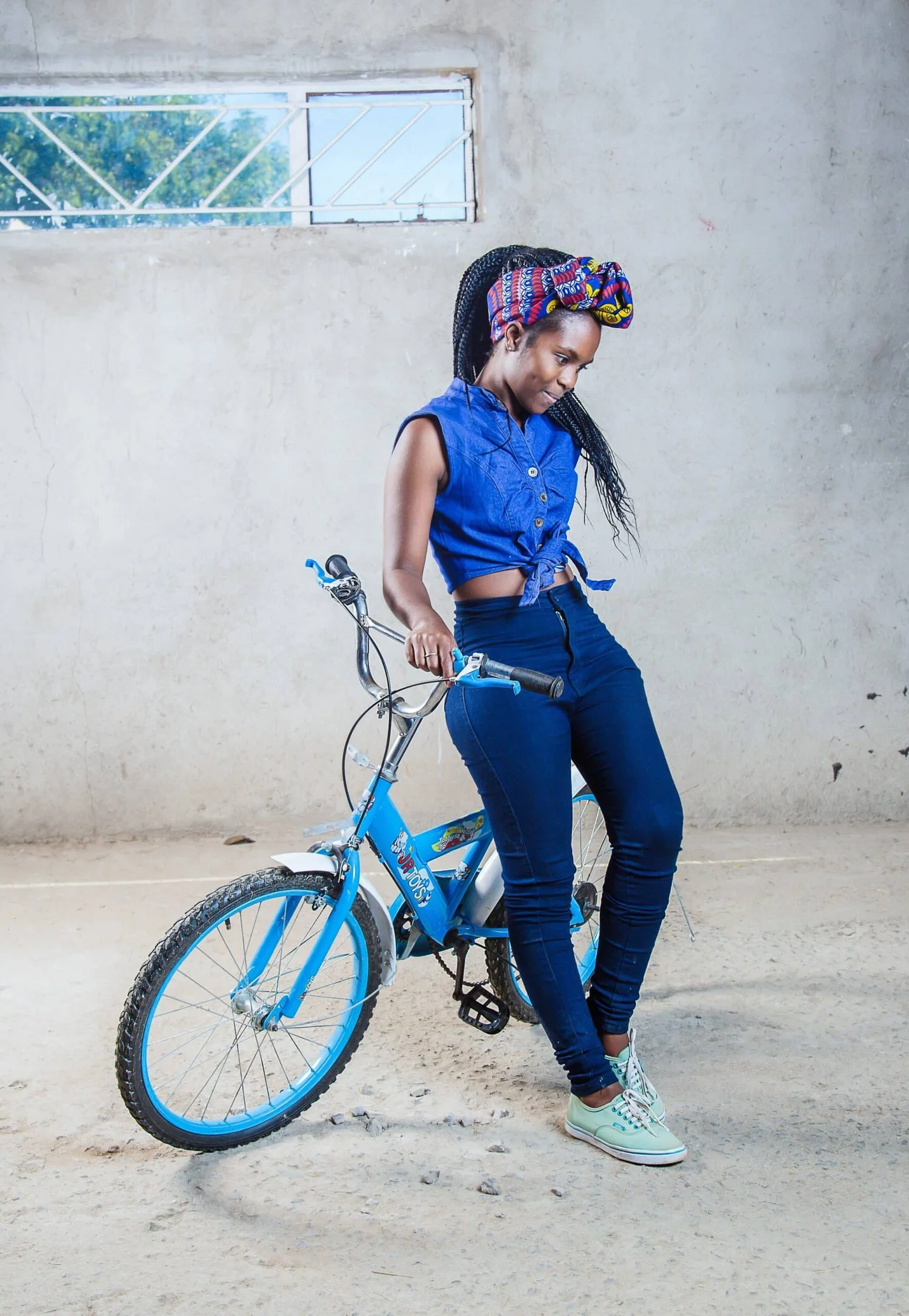
2015 brought us #OscarsSoWhite shedding light on the absence of BIPOC voices and representation in the Academy Awards; 'an award given for artistic and technical merit in the film industry.' 2018 brought us another hashtag: #WellnessSoWhite.
#WellnessSoWhite began making its way into the discussions of diversity, equity, and inclusion in health and wellness via popular social media platforms and has resulted in small, albeit marked changes in the United States' multi-trillion dollar industry.
The Whitewashing of Wellness
Wellness is about making healthy lifestyle choices and maintaining one's wellbeing both physically and mentally. In recent years, more people around the world have begun to recognize the importance of wellness. Yet the industry that has grown around it centers whiteness—in its imagery, its practitioners, its price points, and its cultural appropriation.
Scroll through any wellness Instagram feed and you'll see thin, white, able-bodied women in expensive athleisure doing yoga poses on pristine beaches. The message is clear: wellness is for people who look like this, who can afford this, who have this kind of leisure time. Everyone else is invisible.
Yoga, meditation, and mindfulness practices have roots in cultures around the world, many of them non-white. Yet these practices have been packaged and sold primarily to white, affluent consumers, often stripped of their cultural context and spiritual significance. The wellness industry takes from other cultures while excluding the people of those cultures.
The Economics of Exclusion
Wellness has become big business—a multi-trillion dollar industry. But access to wellness isn't equally distributed. Gym memberships, organic food, meditation apps, yoga classes—these things cost money. They require time. They require living in neighborhoods where these options exist.
Meanwhile, BIPOC communities face higher rates of chronic disease, mental health challenges, and stress-related conditions. The same communities that need wellness the most are the ones least likely to be able to access it. This isn't accidental—it's the predictable result of an industry built by and for white consumers.
Inclusive Wellness
True wellness must be accessible to all. It must honor the traditions from which practices come—acknowledging that yoga comes from India, that meditation has Buddhist roots, that many healing practices come from Indigenous cultures. It must pay those debts, not just extract profit.
It must recognize that for many BIPOC communities, wellness also means healing from the trauma of racism. The stress of discrimination is a health condition. The anxiety of navigating white spaces is a health condition. Any wellness practice that doesn't acknowledge this isn't actually addressing wellness for everyone.
The wellness industry has work to do—and that work starts with representation, accessibility, and cultural humility. It means diversifying who leads wellness spaces. It means making wellness affordable and accessible. It means doing the internal work of examining how the industry perpetuates exclusion. Wellness should be for everyone. Until it is, it's just another form of privilege.